Hi friends,
This little Caribbean family has been freezing our tuckas off for the last few weeks.
NYC.
Baltimore.
Now southwestern Pennsylvania with my mom — where I’m currently wearing a turtleneck, wool socks, and what can only be described as emotional-support-level slippers. (At home, my “house shoes” are Birkenstocks.)
The Northeast was forecasted to get a massive snowstorm this week.
We were READY.
The groceries were stocked.
WE BOUGHT A SLED!
We went to bed with dreams of at least a foot of snow.
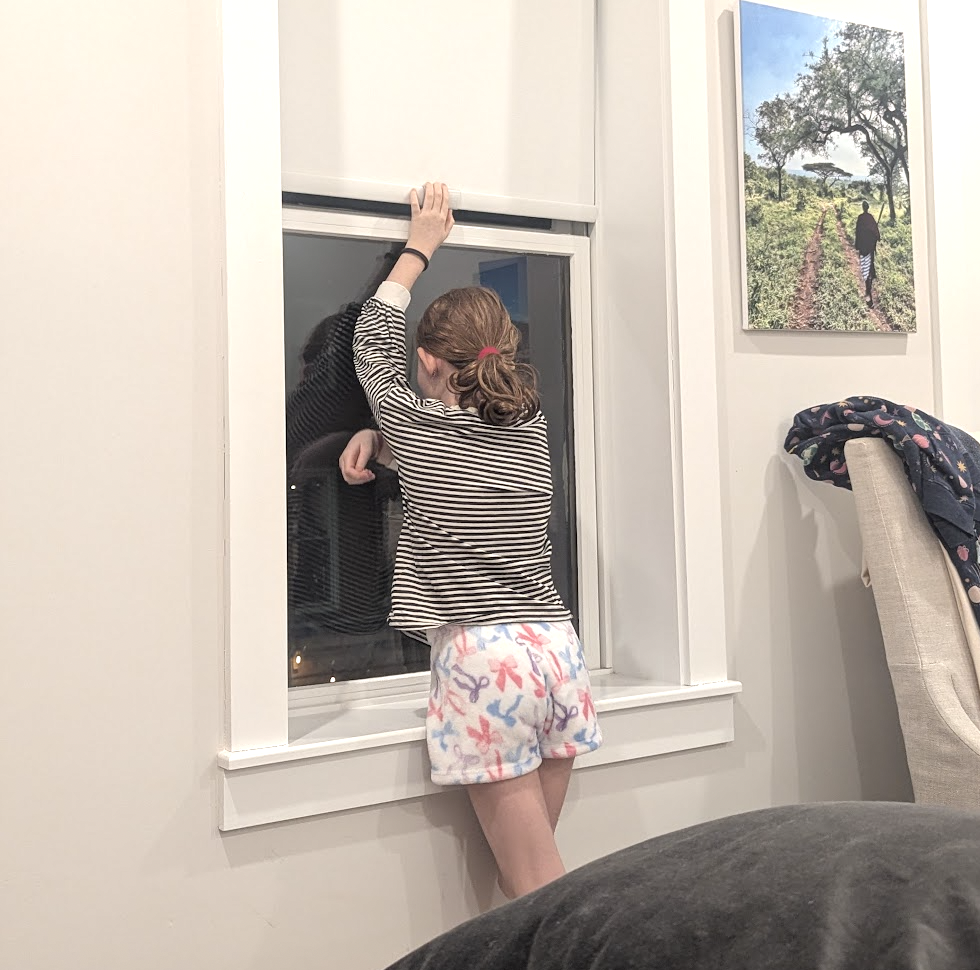
We woke up to… barely an inch in Baltimore.
My heart sank for Adina. She doesn’t remember snow. She’s never been sledding. This was supposed to be her moment.
She did not care.
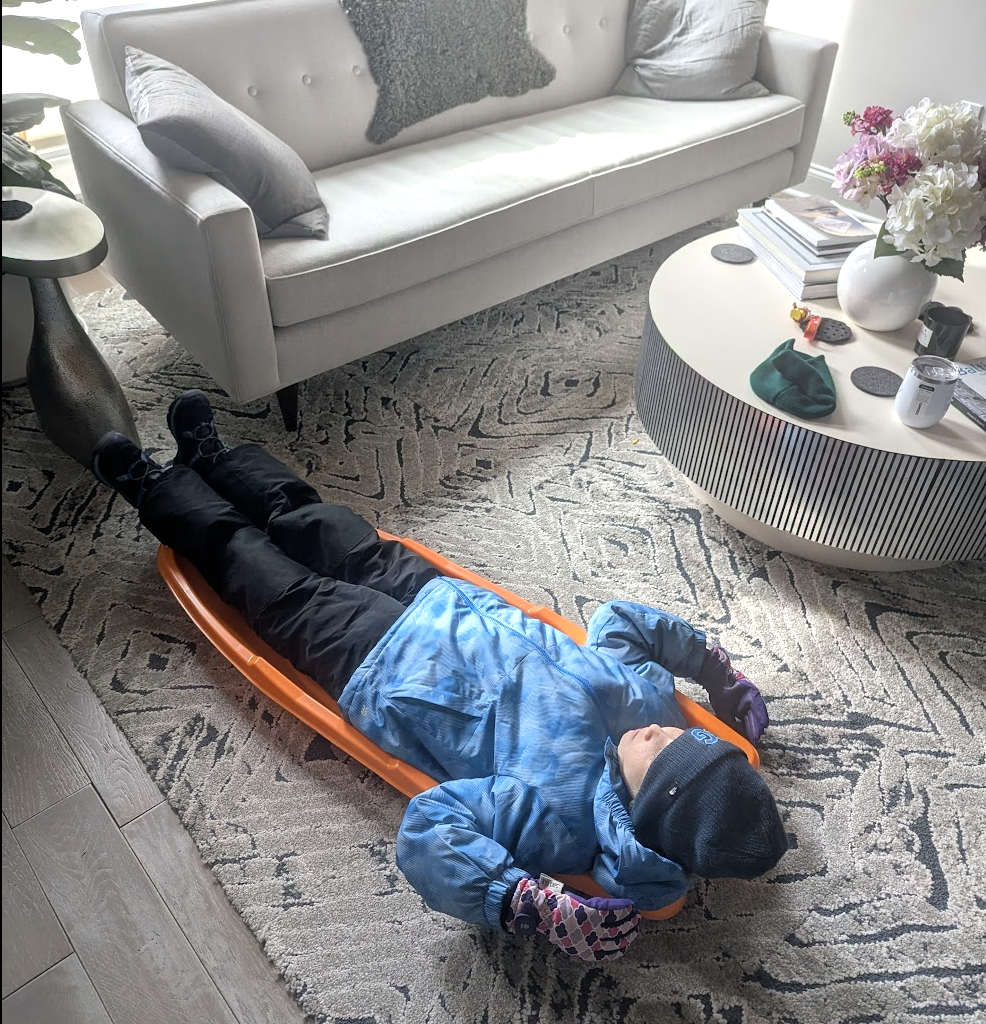
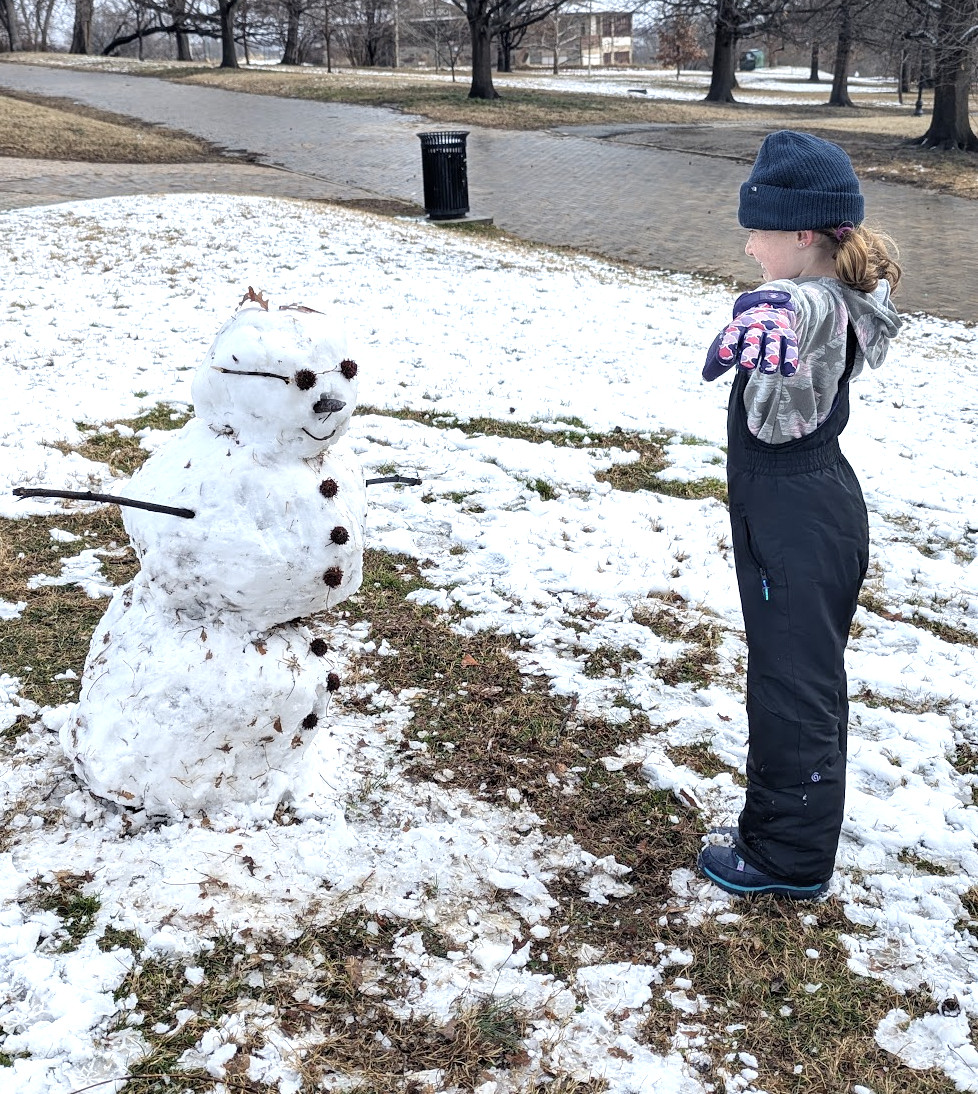
Snowsuit on by 9am.At the park by 10.
Sledding down what can generously be described as a lightly frosted hill.
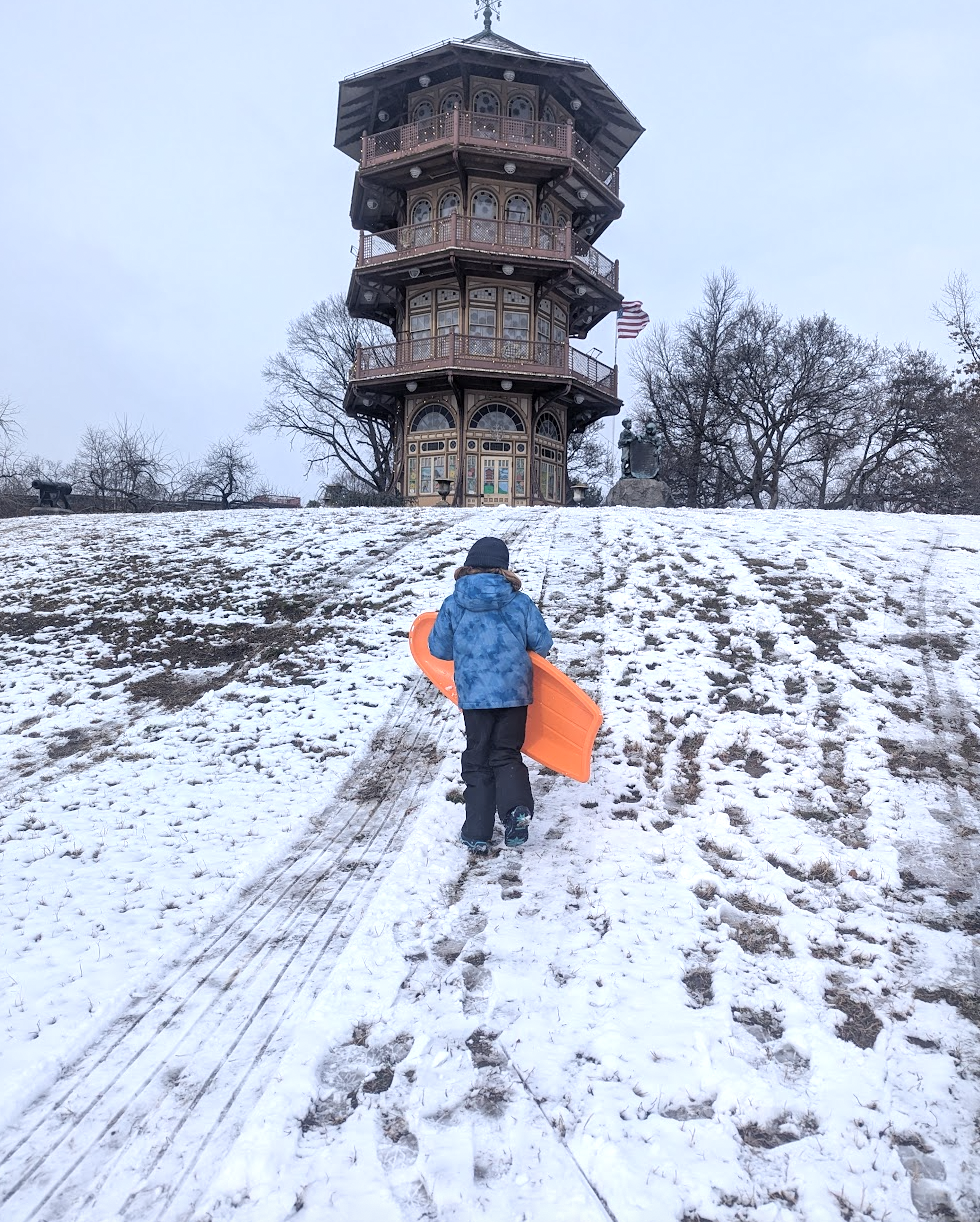
We built a low self-esteem snowman.
Had a snowball fight.
Played snowball "baseball" with our new sled.
And it was one of the most fun mornings I’ve had with her since our first trip to Disney World.
Watching your child experience pure joy is intoxicating. You can’t stay stressed. You can’t stay jaded. You just get pulled in.
And it made me think about adulthood.
We get efficient.
We get responsible.
We get productive.
We get… a little jaded.
We get so focused on outcomes that we forget about experience.
And interestingly, that’s exactly what I see happening in women’s bodies in their 40s and 50s.
Over the last year, I’ve had the same conversation on repeat with so many women:
“I’m working out… but my body just isn’t responding the way it used to.”
More effort.
More discipline.
Less return.
That’s not a motivation problem.
It’s a hormonal transition problem.
During perimenopause and menopause, estrogen doesn’t just decline — it fluctuates unpredictably. And estrogen directly impacts:
• Muscle protein synthesis
• Recovery capacity
• Insulin sensitivity
• Connective tissue integrity
• Nervous system regulation
When estrogen becomes inconsistent, recovery slows. Cortisol hits harder. Inflammation rises more easily. The same training load produces a different outcome.
The model that worked at 30 relied on hormonal stability. In your 40s and 50s, the internal environment changes.
If you respond by adding more cardio, more intensity, more volume — you often get diminishing returns.
Not because you’re failing. But because the stimulus no longer matches the physiology.
(Just like we prepared for a foot of snow and got one inch. The strategy has to match the conditions)
I’ve realized that the women I’m most passionate about serving right now are those navigating perimenopause and menopause who feel like their body doesn’t respond the way it used to.
It’s not about trying harder.
It’s about using the right strength model.
Training in this phase requires:
• Intentional progressive overload
• Smarter recovery
• Muscle-focused programming
• Nervous system regulation
So I’m hosting a live workshop on March 23:
“Why Your Body Isn’t Responding to Workouts Anymore — And the Strength Model That Fixes It.”
I’ll break down:
• What’s actually happening hormonally
• Why traditional workouts start failing in your 40s
• The structure that works instead
Details coming next week.
But if “my body just isn’t responding the way it used to” hit a nerve…
Stay close.
Your body isn’t broken.
The conditions changed.
And smart training adapts.
Sending you warmth — and better strategy,
Coach Joanie


Responses